
An MGPCO Initiative
Connection, Kindness & Community
“Every act of compassion strengthens the fabric of our shared humanity. The smallest kindness can set change in motion.”
– GANDHI
PAST Conversations
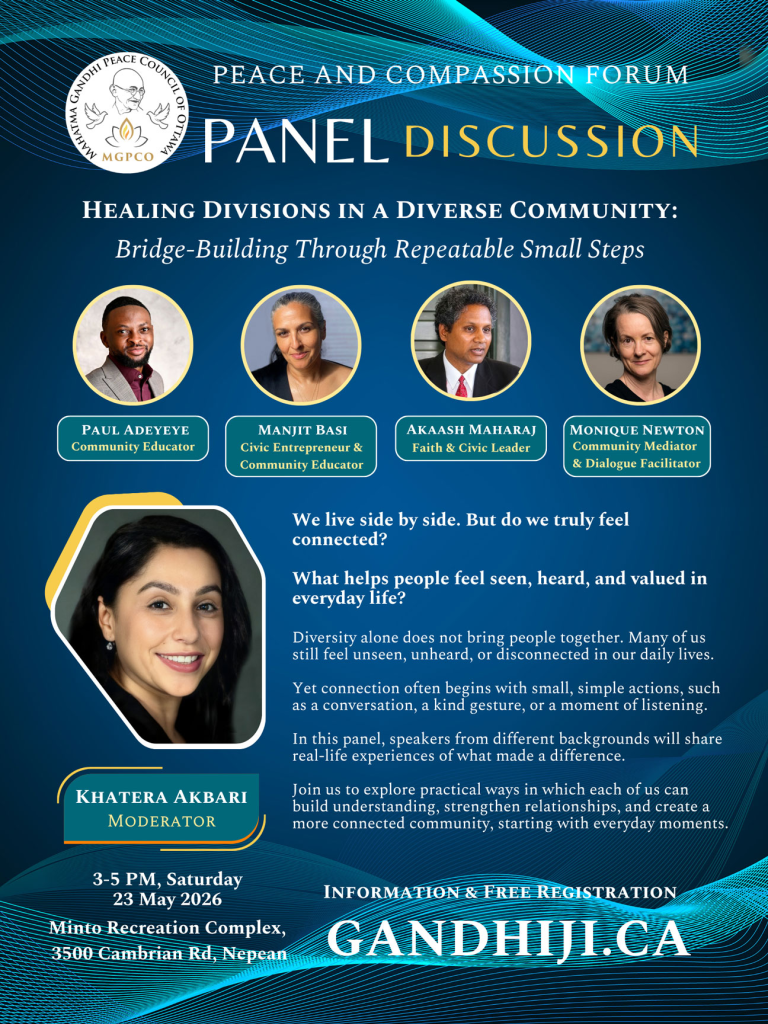
May 23, 2026 : Panel Discussion
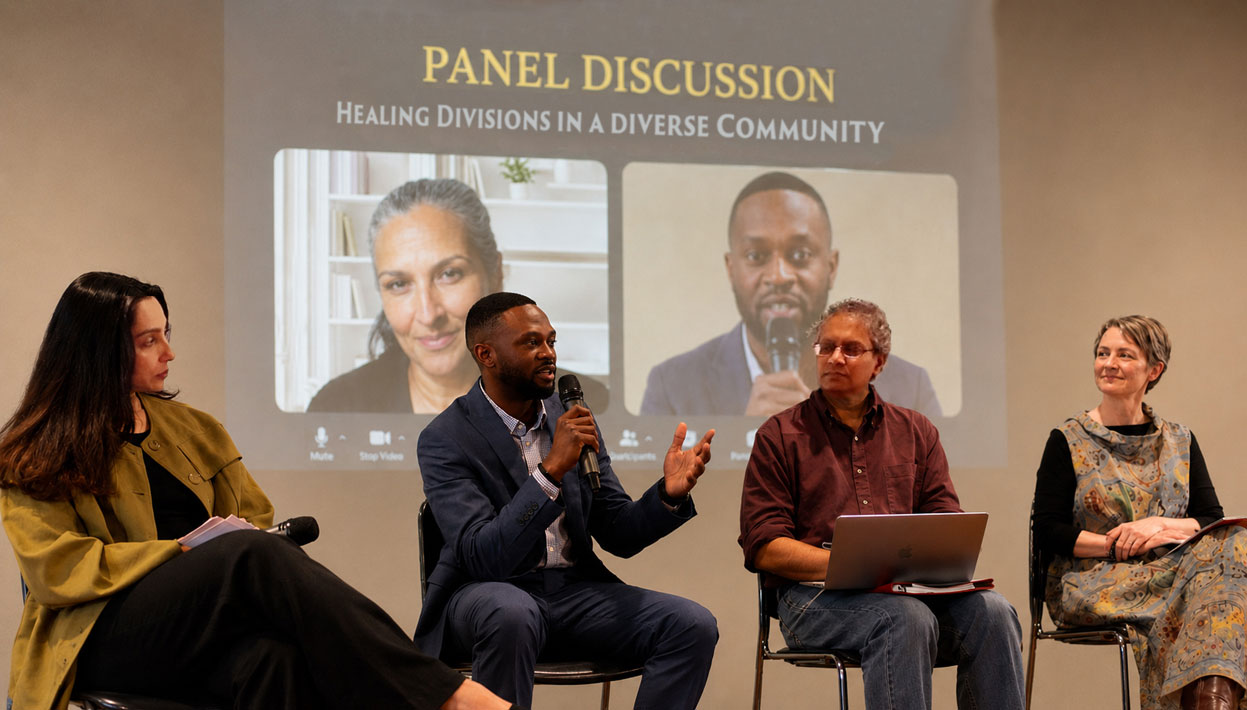
Healing Divisions in a Diverse Community
Bridge-Building Through Repeatable Small Steps
Khatera Akbari (Moderator) with panelists Paul Adeyeye, Akaash Maharaj and Monique Newton.
Manjit Bassi (back screen) participated via Zoom.
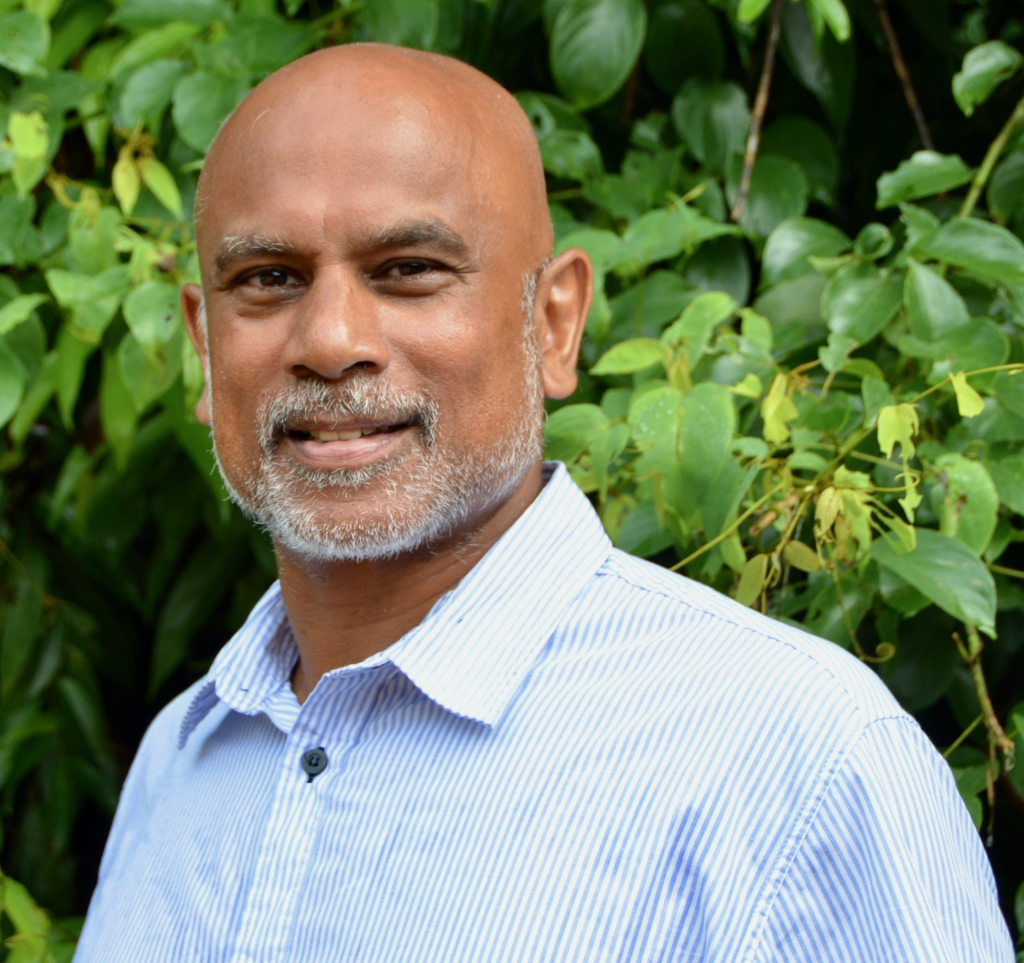
Mar 14, 2026 :Lalith Gunaratne
Building a Compassionate Society
Mindfulness and Gandhian Wisdom in Action
Mindfulness is framed not as a self-help technique, but as ethical
awareness—a way of seeing clearly, exposing subtle forms of
violence, resisting fear-driven reactivity, and aligning means with
ends. In this sense, mindfulness becomes a discipline of courage,
not comfort.
Through guided meditation, reflection, dialogue, and ethical inquiry, participants were invited to explore how kindness, empathy, and compassion, balanced with humility and firmnes, can shape leadership, public life, policy choices, and everyday actions.
About the Session
Drawing on Gandhi’s core principles—swaraj (inner freedom and
self-rule), ahimsa (non-violence in thought, speech, and systems),
satya (lived truth), seva (service), simplicity, and solidarity, the
talk showed how inner mind–body habits of attention can scale
outward into social, economic, and institutional realities.
‘Building a Compassionate Society’ explored how mindfulness and the wisdom of Mahatma Gandhi together offer a grounded and courageous response to today’s fractured and polarized world. Moving beyond compassion as mere sentiment or goodwill, this session presented compassion as a form of moral strength—rooted in awareness, self-discipline, responsibility, and ethical clarity.
Session Leader
Lalith Gunaratne
Lalith Gunaratne (LinkedIn, YouTube, Blog Site) is a leadership strategist, mindfulness practitioner, and trusted advisor who works at the intersection of inner transformation and social responsibility. Drawing on decades of experience as an entrepreneur and organizational consultant to over 200 organizations, his work integrates mindfulness with Gandhian and Buddhist wisdom.
Lalith explores compassion not as sentiment, but as moral strength grounded in self-rule, non-violence, truth, and service. His talks invite leaders and citizens alike to see how disciplined attention, ethical clarity, and courageous kindness can shape leadership, institutions, and a more compassionate society.
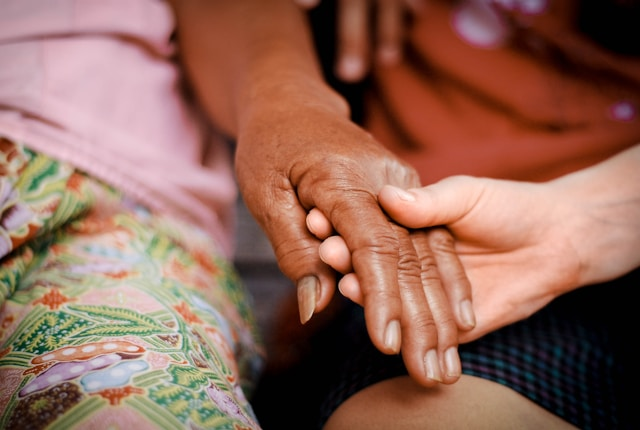
Feb 21, 2026 : Paul Maillet
Gandhi’s Approach to Peace in a World of Conflict
“Peacebuilding is about Ethics in Governance, Building Integrity, Controlling Corruption, Peace practices, peace education, peace infrastructures, facing conflict and “living well in the company of each other.”
I think we must change our view from notions of “minimizing harm and neglect” to actively seeking to “promote harmony, well being and the public good.”
About the Session
This session, led by Paul Maillet, explored how Gandhi’s ideas on peace speak to today’s world of division, war, and uncertainty. Drawing from his peacebuilding background, Paul connected Gandhi’s principles – truth, nonviolence, moral courage, and dialogue—to current global and local conflicts. Clear, practical reflections on why violence keeps repeating, what peaceful resistance really means, and how ordinary people can act as peacemakers in daily life. This was not a history lesson, but a grounded conversation about applying Gandhian wisdom to modern chaos, with honesty, humility, and hope.
This was a thoughtful, personal conversation
about nurturing kindness in our own lives. The aim was to help
participants rediscover the quiet power within themselves to create
meaningful change, one small act at a time.
Session Leader
Paul Maillet
Paul Maillet is a peacebuilder and
ethics practitioner who leads the Paul Maillet Center for
Peacebuilding (https://paulmailletethics.wordpress.com/), a
for-profit consultancy and a philanthropy focused on peace
education and “Infrastructures for Peace” (I4P), with special
attention to youth learning.
His philanthropic work offers
practical peace training and education at individual,
community, and even national levels.
Paul has served terms on the Board of Directors of Global
Alliance for Ministries and Infrastructures of Peace (GAMIP)
and now serves as an international advisor to the GAMIP
Board of Directors, supporting the UN’s program of action for
Cultures of Peace.
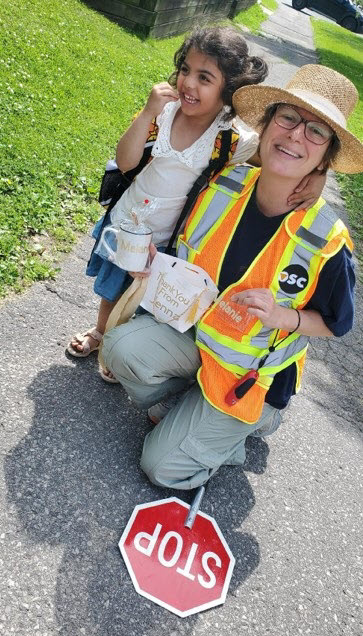
Jan 18, 2026 : Melanie Elliott
The Ripple Effects of Kindness
“Small Acts, Big Impact: How Kindness Creates Lasting Change“
Kindness is not just a pleasant gesture, it is a quiet but transformative force that softens fear, reduces polarization, and inspires hope. When we choose compassion, we create ripples that touch families, workplaces, neighbourhoods, and entire communities.
Everyday acts of kindness spark positive change… simple, intentional actions open space for healing and build trust.
About the Session
This session explored how everyday acts of kindness spark positive
change. Through stories and reflections, we looked at how simple,
intentional actions open space for healing, build trust, and encourage others to do the same. Together, considered how kindness can become a daily practice—one that strengthens connection and helps shape a more peaceful, compassionate world.
This was not a formal lecture but a thoughtful, personal conversation about nurturing kindness in our own lives. The aim was to help participants rediscover the quiet power within themselves to create meaningful change, one small act at a time.
Session Leader
Melanie Elliott
Melanie Elliott is a retired public servant who now works as a School Crossing Guard. In this role, she meets people from all walks of life, finding meaning in brief encounters that reveal the everyday goodness in people.
Her encounters often reveal how small gestures—a smile, a wave, a moment of patiencw, can lift spirits and strengthen a sense of community. Growing up across Canada, Melanie learned early to appreciate the many cultures, personalities, and environments she encountered.
These experiences deepened her belief in the simple but profound acts that help people feel seen, safe, and supported. Her reflections inspire others to recognize the extraordinary impact of ordinary kindness.
“Peace begins with the gentle actions of ordinary people… When we listen , learn, and act with compassion, we awaken the power to transform our communities.”
– GANDHI